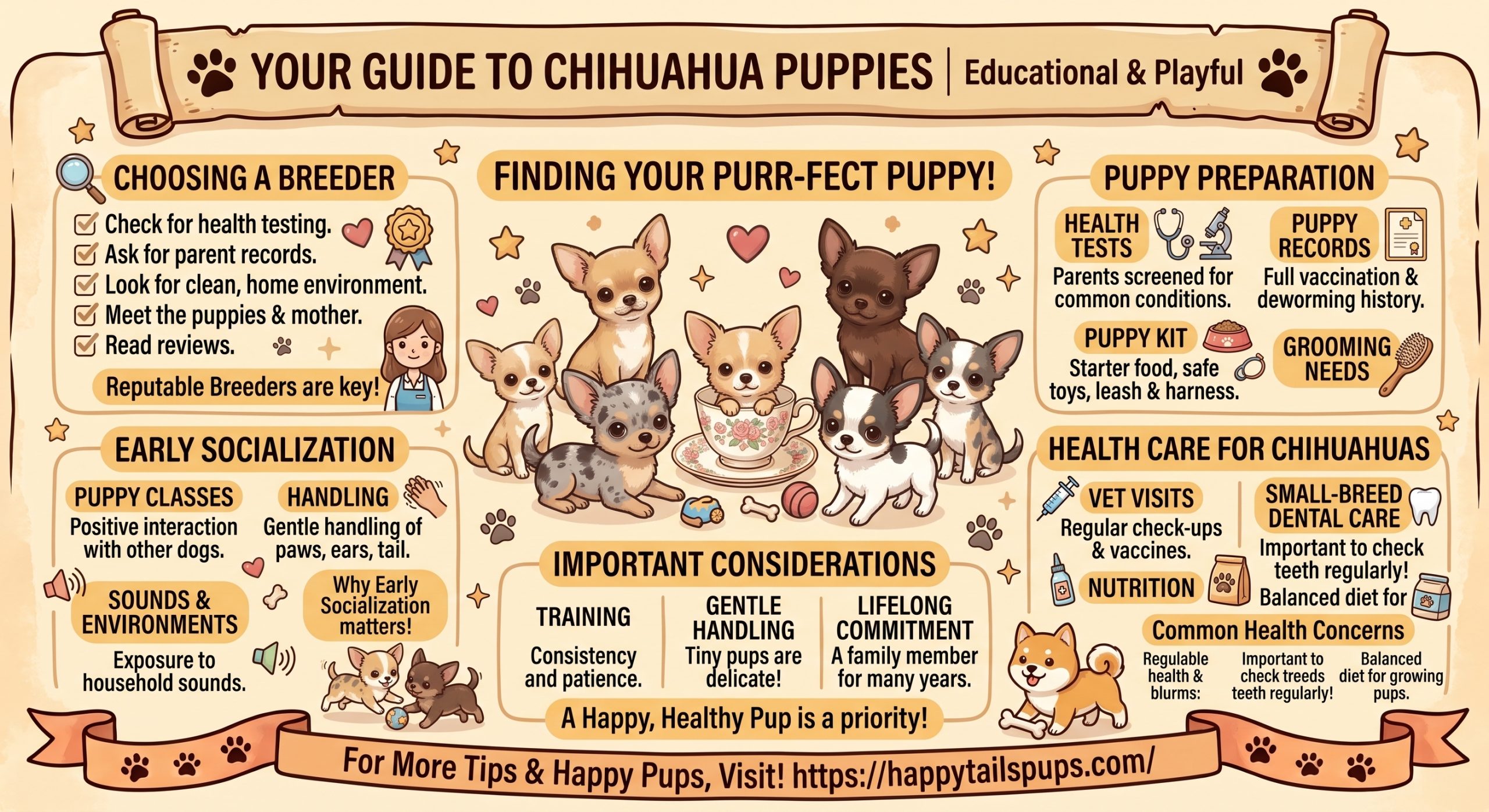
Chihuahua Puppies and Breeders
Chihuahua Puppies and Breeders: Complete Buyer, Size, and Care Guide
Finding the right companion starts with researching dedicated Chihuahua puppies and breeders who prioritize genetic soundness, temperament, and ethical standards. Celebrated globally as the quintessential toy companion, the Chihuahua packs unmatched confidence, unwavering loyalty, and charming affection into a remarkably compact frame. Across the United States and Canada, prospective pet owners continually look for healthy companions, whether they are searching for a tiny chihuahua, exploring listings for chihuahuas teacup for sale, or seeking advice on finding ethical sources rather than risky commercial mills.
Because phrases like mini chihuaha, pocket chihuahua, and tea cups chihuahua for sale are widely used online, prospective owners must navigate a crowded marketplace filled with both loving homes and substandard operations. Whether you are reviewing active chihuahuas to buy, searching classifieds for a chihuahu for sale or chihuhuas for sale, or researching established bloodlines like tenderheart chihuahuas, this guide delivers a comprehensive look at breed sizes, lifelong wellness, early socialization, and how to safely buy verified chihuahua puppys.
The Enduring Appeal of Chihuahua Puppies
The Chihuahua is recognized by major kennel clubs as the smallest purebred dog in the world. Despite their diminutive physical stature, these dogs carry the dynamic spirit of a large guardian. They form profound bonds with their primary caregivers, often shadowing family members from room to room with curious eyes and alert, erect ears.
When looking at various chihuahua breeds for sale, pet owners are typically choosing between two official coat presentations: the smooth coat (short-haired) and the long coat. Both varieties exhibit the same classic alert expression, apple-domed skull, and expressive eyes.
Their compact size makes them adaptable companions for urban high-rise living in bustling metropolitan areas like New York, Toronto, Chicago, and Vancouver, while remaining equally happy in spacious suburban households. However, their petite anatomy requires dedicated handling, structured socialization, and attentive daily wellness routines.
Understanding Sizes: Standard, Mini, Pocket, and Teacup
One of the greatest sources of confusion when searching for miniature chihuahua dogs for sale is the terminology surrounding their size. Official kennel club breed standards recognize purebred Chihuahuas up to 6 pounds. Terms such as “teacup,” “pocket,” or “mini” are descriptive marketing labels rather than distinct or separate breeds.
| Classification Label | Typical Adult Weight | Height at Shoulder | Daily Care Considerations |
| Standard Chihuahua | 4 to 6 lbs | 6 to 9 inches | Balanced daily exercise, regular leash walks, routine dental checkups. |
| Mini / Pocket Chihuahua | 3 to 4 lbs | 5 to 7 inches | Frequent small meals, cold-weather apparel, gentle play environments. |
| Teacup Chihuahua | Under 3.5 lbs | 5 to 6 inches | Intensive blood glucose monitoring, harness-only walks, delicate handling. |
Prospective pet parents exploring teacup puppies chihuahua for sale must recognize that extremely small sizing demands experienced care. A tiny chihuahua requires steady nutritional management to avoid metabolic dips and a protected home environment free of high drops from furniture.
Red Flags When Browsing Chihuahua Puppies and Breeders Online
The high demand for miniature toy dogs has led to an influx of unvetted online listings. When searching for chihuahuas to buy, avoiding common pitfalls protects your family from emotional heartbreak and unexpected veterinary expenses.
1. Unrealistic Pricing Claims
Be cautious of advertisements offering rare designer lines or purebred puppies at unusually cheap prices. Raising healthy litters requires significant investment in maternal care, genetic screenings, and early veterinary oversight. Unusually low prices often point to fraudulent upfront deposit schemes or high-volume puppy mills.
2. Lack of In-Person or Live Video Verification
Unscrupulous sellers often rely on stolen, heavily filtered photographs. An ethical breeder will readily offer live video consultations, allowing you to observe the puppy’s real-time temperament, gait, and interactions with its littermates and mother.
3. Missing Health Certificates and Guarantees
Never finalize a purchase for a chihuahu for sale without reviewing signed documentation of age-appropriate vaccinations, deworming history, and a formal written health guarantee covering hereditary conditions.
Why Ethical Breeding Standards Matter
Selecting verified Chihuahua puppies and breeders ensures your new companion receives the physical and neurological foundation needed for a long, vibrant life.
By choosing Happy Tails Pups, you partner with a trusted breeder platform that emphasizes health screenings, ethical whelping environments, and comprehensive lifetime support. Every puppy undergoes head-to-tail physical examinations by licensed veterinarians, receives core preventive vaccinations, and is microchipped before traveling to its forever home.
Adoption Insight: Sourcing your puppy through an ethical breeder protects against inherited joint defects, early-onset heart murmurs, and behavioral anxiety stemming from poor maternal weaning conditions.
Comprehensive Health and Wellness for Chihuahuas
Chihuahuas are renowned for having one of the longest lifespans in the canine world, frequently living between 14 and 18 years when properly cared for. Nevertheless, toy breeds possess unique physiological vulnerabilities that require dedicated preventive care:
1. Hypoglycemia Management
Due to their fast metabolic rate and minimal liver glycogen storage, a tiny chihuahua or young puppy can experience sudden drops in blood sugar during times of stress, missed meals, or excessive play. Owners should offer frequent, nutrient-dense meals throughout the day and keep oral nutritional supplements (such as Nutri-Cal) accessible.
2. Tracheal Health and Harness Walking
Chihuahuas possess delicate cartilage rings supporting their windpipes. Using a standard neck collar for leash walking creates unnecessary pressure that can lead to tracheal collapse. Always walk your dog using an ergonomic chest harness that distributes force safely across the shoulders and ribcage.
3. Dental Care
Toy breeds have compact jaws where teeth easily become crowded, accelerating tartar buildup and gum disease. A daily routine of enzymatic toothbrushing, paired with periodic professional veterinary cleanings, helps prevent tooth loss and secondary systemic infections.
4. Patellar Luxation
Slipping kneecaps represent a common orthopedic concern in small dogs. Working with breeders who screen parent stock for sound joint conformation significantly reduces the incidence of patellar instability.
For authoritative clinical resources on toy breed preventive healthcare, vaccination schedules, and lifetime wellness management, consult the expert pet guides provided by VCA Animal Hospitals.
Daily Care: Diet, Grooming, and Temperature Regulation
Bringing home a new companion requires establishing structured daily routines tailored to their compact size and active mind.
Balanced Nutrition
Feed your puppy high-protein, calorie-dense kibble formulated specifically for toy breeds with micro-sized bites. Young puppies under six months of age thrive on three to four small, scheduled feedings per day to keep energy levels stable, transitioning to two or three balanced meals in adulthood.
Grooming Routine
- Smooth Coat Care: Brush weekly using a soft bristle brush or rubber grooming mitt to remove loose hairs and stimulate skin oils.
- Long Coat Care: Brush three times per week using a pin brush and stainless steel comb to eliminate tangles behind the ears, across the chest, and along the tail feathering.
- Bathing: Bathe every four to six weeks using a gentle, hypoallergenic canine shampoo to preserve the skin’s natural protective barriers.
- Nail Maintenance: Trim nails every two to three weeks to maintain proper paw alignment and prevent discomfort while walking.
Temperature Protection
Because of their diminutive body mass and thin coat layers, Chihuahuas are especially sensitive to cold environments. In cooler northern US states and throughout Canadian winters, provide cozy sweaters or fleece jackets for outdoor bathroom breaks, and set up comfortable, draft-free bedding indoors.
Training, Socialization, and Temperament Building
Despite their small size, Chihuahuas are intelligent, spirited terriers at heart that thrive with structured positive reinforcement.
- Preventing “Small Dog Syndrome”: Treat your puppy with the same behavioral expectations you would hold for a large dog. Avoid picking them up to resolve minor behavioral challenges; instead, reward calm standing, sitting, and polite greetings.
- Early Socialization: Gently introduce your puppy to varied household sounds, safe adult vaccinated pets, and diverse visitors during their critical developmental window between 8 and 16 weeks of age.
- Positive House-Training: Establish consistent outdoor potty schedules immediately after meals, naps, and play sessions. Use praise and small, healthy treats immediately following successful outdoor elimination.
Step-by-Step Guide to Reserving Your Puppy
Navigating the adoption journey across the United States and Canada should be transparent and reassuring from start to finish.
- Explore Available Litters: Browse active profiles and healthy litters on Happy Tails Pups.
- Submit Your Adoption Profile: Share insights regarding your household layout, daily schedule, and lifestyle so adoption counselors can help match you with the right puppy personality.
- Veterinary Inspection & Documentation: Prior to transport, every puppy undergoes a final clinical wellness assessment, receives its vaccination records, and has its microchip verified.
- Coordinate Climate-Controlled Travel: Enjoy safe transport via vetted flight nannies or climate-controlled ground transit delivered straight to your local airport or residence.
Frequently Asked Questions (FAQs)
What should I look for when evaluating Chihuahua puppies and breeders?
Look for breeders who provide full health screening records for parent dogs, offer written congenital health guarantees, maintain clean facilities, and demonstrate active membership in recognized breed or kennel clubs.
Are teacup Chihuahuas recognized as a distinct breed?
No. Major kennel clubs recognize only one purebred Chihuahua breed with two coat varieties (smooth and long coat). Terms like teacup, mini, or pocket describe dogs that mature smaller than the standard 4 to 6 pounds.
How often should a tiny chihuahua puppy be fed?
Toy puppies should be fed three to four small, nutrient-dense meals throughout the day to prevent low blood sugar episodes and support steady physical development.
Can Chihuahua puppies be safely delivered across the US and Canada?
Yes. Ethical breeding platforms coordinate safe travel utilizing climate-controlled ground transport or in-cabin flight nannies who supervise the puppy throughout the journey.
What is the expected lifespan for a healthy Chihuahua?
With proper preventive veterinary care, balanced toy-breed nutrition, and regular dental hygiene, Chihuahuas frequently live between 14 and 18 years.
Are Chihuahuas good pets for families with young children?
Chihuahuas make loyal family pets, but because of their delicate frame and small bones, they do best in homes with older children who understand how to handle toy animals gently.
Where can I find verified chihuahuas to buy online with health guarantees?
You can explore screened, vet-checked litters backed by written health guarantees directly through Happy Tails Pups.