
Happy Tails Puppies Guide for First-Time Puppy Owners
Happy Tails Puppies Guide for First-Time Puppy Owners 2026
Becoming a dog owner for the first time is an exciting experience filled with anticipation, joy, and a little uncertainty. Many first-time puppy owners spend weeks researching breeds, buying supplies, and preparing their homes before bringing home their new furry family member. While puppies are adorable and fun, they also require patience, commitment, and proper care to grow into healthy, well-adjusted adult dogs.
At Happy Tails Pups, we understand that first-time puppy owners often have many questions. How often should a puppy eat? When should training begin? What supplies are necessary? How can you help a puppy adjust to a new home? These are common concerns for new pet parents. The good news is that with the right information and preparation, first-time puppy owners can build a strong foundation for a lifetime of companionship.
This guide covers everything first-time puppy owners need to know, from choosing the right breed and preparing your home to training, feeding, socialization, and long-term care.
Why Preparation Matters for First-Time Puppy Owners
Many challenges faced by first-time puppy owners can be avoided through preparation.
Puppies rely entirely on their owners for:
- Food and water
- Training
- Exercise
- Veterinary care
- Socialization
- Emotional support
Preparing before your puppy arrives helps reduce stress and creates a smoother transition for both you and your new companion.
The more prepared you are, the more confident you’ll feel during the first few weeks of puppy ownership.
Choosing the Right Puppy Breed
One of the most important decisions first-time puppy owners make is selecting the right breed.
Every breed has unique characteristics that influence:
- Activity levels
- Grooming needs
- Temperament
- Trainability
- Adult size
- Family compatibility
At Happy Tails Pups, families can explore breed information and educational resources that help match puppies with suitable lifestyles.
When choosing a breed, ask yourself:
How Active Am I?
Some breeds require significantly more exercise than others.
How Much Grooming Can I Manage?
Long-haired breeds often need more frequent maintenance.
Do I Have Children?
Family compatibility should be considered carefully.
How Much Space Do I Have?
Living arrangements can influence which breeds are most suitable.
Choosing the right breed is often the first step toward a successful ownership experience.
Preparing Your Home for a Puppy
Before your puppy arrives, it’s important to create a safe environment.
Puppy-Proof Your Home
Remove common hazards such as:
- Electrical cords
- Toxic plants
- Small objects
- Cleaning chemicals
- Loose medications
Create a Dedicated Puppy Space
A designated area helps puppies feel secure while adjusting to their new surroundings.
Purchase Essential Supplies
First-time puppy owners should have:
- Food and water bowls
- Puppy food
- Crate
- Bed
- Collar
- Harness
- Leash
- Toys
- Grooming tools
Having supplies ready in advance helps make the first day much easier.
The First Day at Home
The first day can feel overwhelming for a puppy.
Everything is new:
- New people
- New smells
- New sounds
- New routines
Allow your puppy time to adjust gradually.
Keep the environment calm and avoid introducing too many new experiences at once.
Many first-time puppy owners find that patience during the first few days helps puppies settle in more comfortably.
Feeding Your Puppy Properly
Nutrition plays a major role in healthy growth and development.
Establish a Feeding Schedule
Consistency helps puppies feel secure and supports healthy digestion.
Provide Fresh Water
Clean water should always be available.
Choose Quality Puppy Food
Puppy-specific diets are formulated to support growth and development.
Avoid Overfeeding
Monitoring portions helps maintain healthy growth.
If you have questions about feeding, consult your veterinarian for personalized guidance.
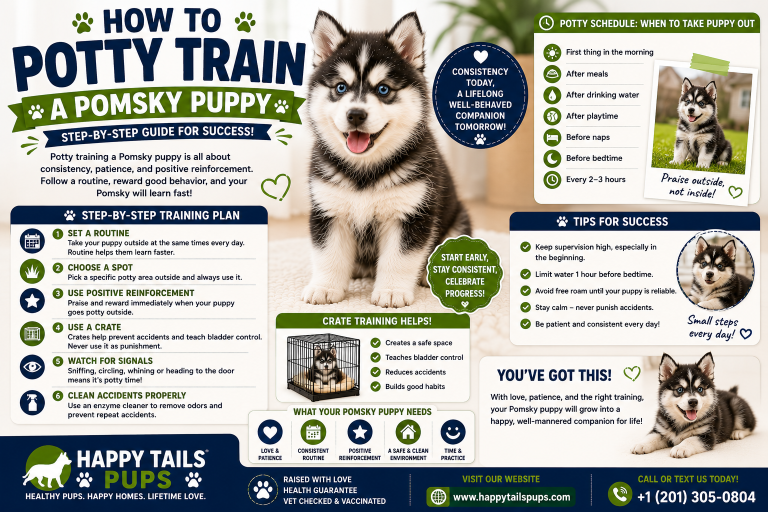
House Training Basics
House training is often one of the first challenges first-time puppy owners encounter.
Fortunately, puppies learn quickly when training remains consistent.
Create a Routine
Take your puppy outside:
- After waking up
- After meals
- After play sessions
- Before bedtime
Reward Success
Positive reinforcement encourages good habits.
Be Patient
Accidents happen during the learning process.
Consistency and patience are key to successful house training.
Why Early Training Is Important
Training should begin immediately.
Many first-time puppy owners mistakenly believe training can wait until a puppy is older.
In reality, puppies begin learning from their first day at home.
Start with simple commands:
Sit
A foundational command that supports future training.
Stay
Helps develop self-control.
Come
An important safety command.
Leave It
Useful for preventing unwanted behaviors.
Short, positive training sessions often produce the best results.
Socialization for First-Time Puppy Owners
Socialization is one of the most important aspects of puppy development.
Positive experiences during puppyhood help create confident adult dogs.
Introduce your puppy to:
- Different people
- Friendly dogs
- New environments
- Household sounds
- Various surfaces
Socialization should always be positive and gradual.
Proper socialization helps reduce fear and anxiety later in life.
Understanding Puppy Behavior
Many behaviors that concern first-time puppy owners are completely normal.
Examples include:
Chewing
Puppies explore the world with their mouths.
Barking
Communication is a natural behavior.
Zoomies
Sudden bursts of energy are common in young puppies.
Nipping
Puppies often use their mouths during play.
Understanding normal puppy behavior helps owners respond appropriately and avoid unnecessary frustration.
Veterinary Care Essentials
Regular veterinary care is a critical part of responsible dog ownership.
Veterinary visits help monitor:
- Growth
- Vaccinations
- Nutrition
- Parasite prevention
- Overall health
Scheduling an initial wellness visit shortly after bringing your puppy home is highly recommended.
Building a relationship with a trusted veterinarian supports long-term health and well-being.
Exercise and Mental Stimulation
Puppies need both physical and mental activity.
Benefits include:
- Healthy development
- Improved behavior
- Reduced boredom
- Stronger owner bonds
Activities may include:
- Walks
- Interactive toys
- Training sessions
- Puzzle feeders
- Playtime
Exercise requirements vary depending on breed and age.
Common Mistakes First-Time Puppy Owners Make
Learning from common mistakes can make puppy ownership easier.
Inconsistent Training
Mixed messages can confuse puppies.
Skipping Socialization
Early socialization is essential.
Neglecting Exercise
Physical activity supports both health and behavior.
Unrealistic Expectations
Puppies require time, patience, and guidance.
Delaying Veterinary Care
Routine healthcare should never be postponed.
Avoiding these mistakes helps create a more positive experience.
Responsible Dog Ownership
According to the American Kennel Club, responsible dog ownership involves providing proper care, training, socialization, exercise, and lifelong commitment.
Educational resource:
https://www.akc.org/expert-advice/lifestyle/responsible-dog-owner/
Responsible ownership includes:
- Veterinary care
- Nutrition
- Exercise
- Training
- Grooming
- Emotional support
Understanding these responsibilities helps first-time puppy owners prepare for long-term success.
Helpful Resources at Happy Tails Pups
At Happy Tails Pups, new dog owners can find educational resources covering:
- Breed guides
- Puppy care
- Training tips
- Grooming information
- Health topics
- Puppy development
Visit Happy Tails Pups:
https://happytailspups.com/
These resources help first-time puppy owners gain confidence and build strong relationships with their dogs.
Building a Lifelong Bond
The first year of puppy ownership is filled with important milestones.
During this time, puppies learn:
- Household rules
- Social skills
- Basic commands
- Trust and confidence
The effort invested during puppyhood often shapes behavior for years to come.
Patience, consistency, and positive reinforcement help create a rewarding relationship that lasts a lifetime.
Conclusion
Being one of the many first-time puppy owners can feel both exciting and overwhelming. However, with proper preparation, education, and commitment, the journey becomes one of the most rewarding experiences a family can have. By understanding nutrition, training, socialization, veterinary care, and responsible ownership, you’ll be well-equipped to help your puppy thrive.
At Happy Tails Pups, we are committed to helping first-time puppy owners succeed by providing valuable educational resources and breed information that support every stage of puppy ownership.
Frequently Asked Questions
1. What should first-time puppy owners buy before bringing a puppy home?
Essential supplies include food, bowls, a crate, bed, leash, collar, toys, and grooming tools.
2. When should training begin?
Training should begin immediately after your puppy arrives home.
3. How often should puppies eat?
Feeding schedules vary by age and breed, but young puppies typically require multiple meals per day.
4. Why is socialization important?
Socialization helps puppies develop confidence and adapt to new people, animals, and environments.
5. When should I schedule my puppy’s first veterinary visit?
A wellness appointment should be scheduled shortly after bringing your puppy home.
6. Where can first-time puppy owners find reliable information?
Happy Tails Pups and the American Kennel Club provide helpful educational resources for new dog owners.