
Happy Tails Puppies Guide to Choosing the Right Breed in 2026
Happy Tails Puppies Guide to Choosing the Right Breed in 2026
Choosing the right breed is one of the most important decisions you’ll make as a future dog owner. While many people initially focus on appearance, successful puppy ownership depends on much more than finding a puppy that looks cute. Every breed has unique characteristics, energy levels, grooming requirements, personality traits, and care needs. Understanding these differences is essential for finding a companion that fits your lifestyle and expectations.
In 2026, families have more access to breed information than ever before. However, the abundance of information can sometimes make the decision feel overwhelming. Whether you’re interested in a playful Pomsky, a fluffy Pomeranian, a loyal Chihuahua, a family-friendly Maltipoo, or a charming Yorkie, taking time to evaluate your lifestyle can help ensure a successful match.
At Happy Tails Pups, we believe that choosing the right breed begins with education. The better you understand your future companion, the more likely you are to enjoy a rewarding relationship that lasts for many years. This guide will help you evaluate important factors before selecting your next puppy.
Why Choosing the Right Breed Matters
Many new dog owners underestimate how much breed characteristics influence everyday life.
The right breed can:
- Fit comfortably into your home
- Match your activity level
- Adapt to your family structure
- Support your lifestyle goals
- Create a smoother training experience
The wrong breed, however, can lead to challenges related to exercise, behavior, grooming, and overall compatibility.
Choosing the right breed helps reduce stress for both the family and the puppy.
Start by Evaluating Your Lifestyle
Before comparing breeds, take an honest look at your lifestyle.
Ask yourself:
How Active Am I?
Some breeds thrive on daily exercise and outdoor adventures, while others prefer a more relaxed routine.
How Much Time Do I Spend at Home?
Certain breeds enjoy constant companionship and may struggle when left alone for long periods.
Do I Travel Frequently?
Small companion breeds may be easier to accommodate during travel.
What Is My Experience Level?
First-time dog owners often benefit from breeds known for adaptability and trainability.
Your lifestyle should play a major role in the breed selection process.
Consider Your Living Space
Living arrangements significantly influence breed suitability.
Apartment Living
Smaller breeds often adapt well to apartments when provided with proper exercise and stimulation.
Popular apartment-friendly breeds include:
- Pomeranian
- Chihuahua
- Maltese
- Yorkie
- Maltipoo
Larger Homes
Families with larger homes and yards may have more flexibility regarding activity requirements.
Regardless of home size, every dog benefits from regular exercise and interaction.
Understanding Temperament
Temperament refers to a dog’s natural personality and behavioral tendencies.
When choosing the right breed, consider whether you prefer a dog that is:
- Playful
- Calm
- Independent
- Affectionate
- Protective
- Social
Different breeds display different temperamental characteristics.
Understanding these tendencies helps create realistic expectations.
Choosing the Right Breed for Families With Children
Families with children often prioritize friendliness, patience, and adaptability.
Characteristics that many families appreciate include:
Gentle Nature
Dogs should be comfortable around family activities.
Social Personality
Friendly breeds often enjoy spending time with family members.
Trainability
Well-trained dogs generally integrate more smoothly into busy households.
Children should always be taught how to interact respectfully with dogs regardless of breed.
Grooming Requirements Matter More Than Most People Think
Many people choose breeds based on appearance without considering grooming needs.
Some breeds require:
- Daily brushing
- Professional grooming
- Coat trimming
- Frequent bathing
Others require relatively minimal maintenance.
Before choosing the right breed, ask yourself how much grooming you’re willing to manage on a regular basis.
Activity Levels and Exercise Needs
Exercise requirements vary dramatically between breeds.
Low to Moderate Activity Breeds
These breeds often enjoy shorter walks and indoor companionship.
High-Energy Breeds
More active breeds typically require:
- Daily exercise
- Mental stimulation
- Interactive play
- Training activities
Matching a breed’s energy level to your lifestyle helps prevent behavioral issues caused by boredom or frustration.
Popular Small Breeds at Happy Tails Pups
Many families searching for companion dogs prefer smaller breeds.
Pomeranian
Known for:
- Fluffy coats
- Big personalities
- Intelligence
- Confidence
Chihuahua
Known for:
- Compact size
- Loyalty
- Alert nature
- Adaptability
Yorkie
Known for:
- Intelligence
- Affectionate personalities
- Elegant appearance
- Strong family bonds
Maltese
Known for:
- Gentle nature
- Small size
- Devotion to owners
- Adaptability
Maltipoo
Known for:
- Friendly temperament
- Social behavior
- Family compatibility
- Intelligence
These breeds remain popular because they adapt well to many different living situations.
Is a Pomsky Right for You?
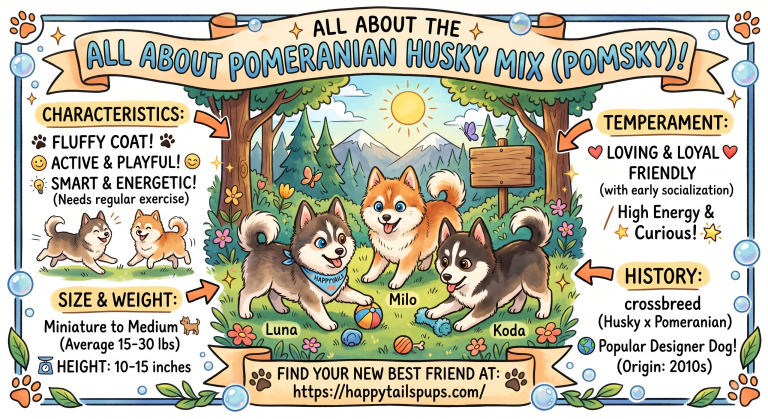
Pomskies continue growing in popularity throughout 2026.
This breed combines characteristics from:
- Siberian Huskies
- Pomeranians
Pomskies are often appreciated for:
- Striking appearance
- Intelligence
- Playful personalities
- Family-friendly nature
However, they typically require more activity and mental stimulation than some smaller companion breeds.
Choosing the Right Breed for First-Time Owners
First-time dog owners should prioritize breeds that are:
- Adaptable
- Trainable
- Social
- Family-oriented
The goal is finding a breed that fits comfortably into daily life while allowing owners to gain confidence and experience.
Education and preparation remain important regardless of breed selection.
How Age and Lifestyle Changes Affect Breed Selection
When choosing the right breed, think beyond your current situation.
Consider:
Future Living Arrangements
Will you move soon?
Family Growth
Will children become part of the household?
Career Changes
Will your schedule remain consistent?
Choosing a breed that aligns with long-term goals often leads to greater satisfaction.
Research Before Making a Final Decision
Research remains one of the most important steps in the breed selection process.
The American Kennel Club Breed Library provides valuable educational information about breed characteristics, temperament, grooming, and care requirements: https://www.akc.org/dog-breeds/
Learning about breeds before adoption helps reduce surprises and improves compatibility.
Explore Breed Resources at Happy Tails Pups
Families researching different breeds can find educational resources at Happy Tails Pups:
Helpful resources include:
- Breed guides
- Puppy care articles
- Training information
- Grooming advice
- New owner resources
These materials help families make informed decisions when choosing the right breed.
Common Mistakes When Choosing a Puppy Breed
Avoid these common mistakes:
Choosing Based on Appearance Alone
Looks should never be the only factor.
Ignoring Activity Requirements
Exercise needs vary significantly between breeds.
Underestimating Grooming Needs
Some coats require substantial maintenance.
Following Trends
Popular breeds are not always the best fit for every family.
Skipping Research
Education is one of the most important parts of responsible ownership.
Why Choosing the Right Breed Creates Better Outcomes
The best puppy-owner relationships are built on compatibility.
When a breed matches your:
- Lifestyle
- Home environment
- Experience level
- Activity preferences
- Family structure
everyone benefits.
The puppy enjoys a supportive environment, and the family enjoys a more rewarding ownership experience.
Conclusion
Choosing the right breed in 2026 involves more than selecting the cutest puppy. It requires understanding temperament, activity levels, grooming needs, family compatibility, and long-term lifestyle goals. By taking time to research breeds and evaluate your circumstances, you’ll be better prepared to find a companion that truly fits your life.
At Happy Tails Pups, we’re committed to helping families make informed decisions through educational resources and breed information. Whether you’re interested in a Pomeranian, Pomsky, Chihuahua, Yorkie, Maltipoo, Maltese, or another beloved breed, choosing the right breed is the first step toward a happy and lasting relationship.
Frequently Asked Questions
1. What is the most important factor when choosing the right breed?
Lifestyle compatibility is often the most important factor.
2. Which breeds are best for apartment living?
Many small breeds, including Pomeranians, Chihuahuas, Yorkies, Maltese, and Maltipoos, adapt well to apartment living.
3. Are Pomskies good for first-time owners?
Pomskies can be wonderful companions, but they often require more exercise and mental stimulation than some other breeds.
4. How can I compare different dog breeds?
Research temperament, grooming requirements, exercise needs, trainability, and family compatibility.
5. Why is breed research important?
Breed research helps families understand expectations and choose a dog that matches their lifestyle.
6. Where can I learn more about dog breeds?
You can explore breed guides at Happy Tails Pups and the American Kennel Club Breed Library.