
Things to Know Before Getting a Pomsky Puppy in 2026
Things to Know Before Getting a Pomsky Puppy in 2026
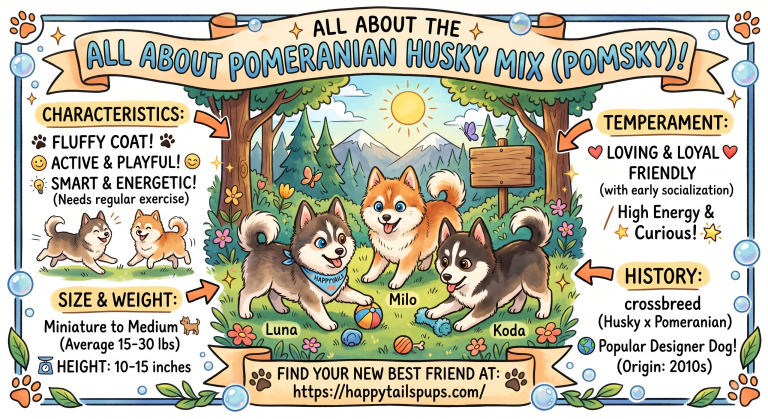
Getting a Pomsky puppy in 2026 can be an exciting and rewarding experience, but it is important to understand exactly what you are signing up for before bringing one home. Pomskies are one of the most popular designer dog breeds because they combine the beautiful wolf-like appearance of the Siberian Husky with the smaller size and affectionate personality of the Pomeranian. However, many new owners focus only on their adorable looks and blue eyes without fully understanding their exercise needs, grooming requirements, training expectations, and long-term commitment. Before purchasing a Pomsky puppy, you should know how big they get, how much they shed, how active they are, their health needs, and whether their temperament matches your lifestyle. Understanding these important factors will help you decide if a Pomsky is the right companion for your family and prepare you for a successful ownership experience.
Why Pomskies Are So Popular in 2026
Pomskies continue to be one of the fastest-growing designer dog breeds because they offer a unique combination of beauty, intelligence, and companionship.
Many families are attracted to Pomskies because they have:
- Husky-like facial markings
- Stunning blue eyes
- Fluffy coats
- Smaller size than Huskies
- Playful personalities
- Strong family bonds
Their appearance alone often captures attention, but responsible ownership requires understanding much more than their looks.
Understanding What a Pomsky Is
A Pomsky is a hybrid breed created by crossing a Siberian Husky with a Pomeranian.
The goal is to create a companion dog that combines:
- The intelligence and athleticism of a Husky
- The compact size and affectionate nature of a Pomeranian
Because Pomskies are mixed-breed dogs, individual puppies may vary significantly in appearance, size, and temperament.
Pomskies Require Daily Exercise
One of the biggest surprises for new owners is how much energy many Pomskies have.
Although they are smaller than Huskies, they often inherit a high level of energy and curiosity.
Daily Exercise Needs
Most Pomskies benefit from:
- Daily walks
- Interactive play sessions
- Mental stimulation
- Puzzle toys
- Outdoor adventures
Without enough activity, Pomskies may become bored and develop unwanted behaviors.
Pomskies Are Highly Intelligent
Pomskies are often quick learners.
Their intelligence makes training easier, but it also means they require mental stimulation to stay engaged.
Ways to Challenge a Pomsky
Mental enrichment can include:
- Obedience training
- Puzzle toys
- Interactive games
- Agility exercises
- Trick training
A stimulated Pomsky is often a happier and better-behaved companion.
Expect Regular Grooming
Pomskies typically inherit thick double coats from both parent breeds.
Grooming Requirements
Most Pomskies need:
- Brushing several times each week
- Regular nail trimming
- Ear cleaning
- Dental care
- Occasional baths
Routine grooming helps maintain coat health and reduce shedding throughout the home.
Pomskies Are Not Hypoallergenic
Many people mistakenly assume that smaller dogs shed less or are allergy-friendly.
Pomskies are not considered hypoallergenic.
They generally:
- Shed throughout the year
- Produce dander
- Experience seasonal coat blowouts
Families with severe dog allergies should spend time around Pomskies before committing to ownership.
Early Socialization Is Essential
A well-socialized Pomsky is more likely to become a confident and adaptable adult dog.
Benefits of Socialization
Early exposure helps puppies become comfortable around:
- People
- Children
- Other dogs
- Cats
- New environments
Positive experiences during puppyhood help prevent fear-based behaviors later in life.
Pomskies Can Be Excellent Family Dogs
One reason Pomskies are so popular is their ability to bond closely with family members.
When properly trained and socialized, they are often:
- Affectionate
- Loyal
- Playful
- Family-oriented
Many Pomskies enjoy participating in daily family activities and becoming involved in household routines.
Training Should Start Early
Training should begin as soon as your Pomsky puppy arrives home.
Important Early Training Areas
Focus on:
- Potty training
- Crate training
- Basic obedience
- Leash manners
- Socialization
Consistency during the first few months often determines long-term success.
Understand Potential Health Concerns
Like all breeds, Pomskies can be prone to certain health issues.
Common Health Conditions
Potential concerns may include:
- Hip dysplasia
- Eye problems
- Allergies
- Dental disease
- Luxating patella
Responsible breeders often perform health screenings to reduce genetic risks.
For professional health recommendations, visit the American Veterinary Medical Association (AVMA).
Pomskies Can Live a Long Time
Many owners enjoy years of companionship with their Pomsky.
Average Lifespan
Most healthy Pomskies live:
- 12 to 15 years
Some may live even longer with:
- Proper nutrition
- Routine veterinary care
- Regular exercise
- Healthy weight management
Owning a Pomsky is a long-term commitment that should not be taken lightly.
Be Prepared for Ownership Costs
The purchase price is only one part of owning a Pomsky.
Common Ongoing Expenses
Owners should budget for:
- Food
- Veterinary care
- Grooming
- Toys
- Training
- Preventative medications
Understanding these costs helps avoid surprises later.
Choosing a Responsible Pomsky Breeder
Selecting the right breeder is one of the most important decisions you’ll make.
What to Look For
Responsible breeders often provide:
- Health records
- Vaccination records
- Health guarantees
- Socialization programs
- Transparent communication
Avoid breeders who cannot provide health documentation or answer questions about their puppies.
Questions to Ask Before Buying a Pomsky Puppy
Before making a decision, ask yourself:
- Do I have time for training?
- Can I provide daily exercise?
- Am I prepared for grooming?
- Can I commit for 12–15 years?
- Is my living situation suitable for a dog?
Honest answers help determine whether a Pomsky is the right fit.
Is a Pomsky Right for Apartment Living?
Many Pomskies adapt well to apartment life because of their moderate size.
However, apartment owners should still provide:
- Daily walks
- Mental stimulation
- Consistent routines
Size alone does not eliminate the need for exercise.
Why Pomskies Continue Growing in Popularity
Pomskies offer a combination of traits that many families find appealing.
Top Reasons Owners Love Pomskies
- Beautiful appearance
- High intelligence
- Strong family bonds
- Adaptability
- Playful nature
- Long lifespan
These qualities continue making them one of the most sought-after companion breeds in 2026.
Preparing Your Home for a Pomsky Puppy
Before bringing your puppy home, prepare:
- Food and water bowls
- Quality puppy food
- Crate
- Puppy bed
- Toys
- Grooming supplies
- Training treats
Creating a welcoming environment helps ease the transition into a new home.
Where to Find Healthy Pomsky Puppies
If you’re searching for a healthy, well-socialized Pomsky puppy, choosing a responsible breeder is essential. Reputable breeders focus on health, temperament, and early socialization to help puppies thrive in their new homes.
Visit Happy Tails Pups to explore available Pomsky puppies, breeder information, and puppy care resources.
FAQs:
1. Are Pomskies good for first-time dog owners?
Yes. Pomskies can be excellent for first-time owners who are willing to invest time in training, socialization, and exercise.
2. How much exercise does a Pomsky need?
Most Pomskies require daily walks, playtime, and mental stimulation to remain healthy and happy.
3. Do Pomskies shed a lot?
Yes. Pomskies typically have thick double coats and shed throughout the year.
4. How long do Pomskies live?
Most healthy Pomskies live between 12 and 15 years with proper care.
5. Are Pomskies good family dogs?
Yes. Pomskies are often affectionate, playful, and loyal companions that bond closely with their families.